
Multiple studies on workplace diversity have concluded that multi-generational teams have unique benefits. They list benefits like decreased employee turnover (and cost!), an increased partnership base, greater knowledge sharing and increased employee engagement. The thing is, if you want multi-generational diversity….you need multi-generational inclusion. In this webinar, you will build your awareness of generational trends and how multi-generational inclusion strategies unlock the value of age diversity on your team or in your organization.
You will:
- Build awareness of ageist stereotypes and their impact
- Learn skills to recognize and discard biases based on generational groups
- Develop inclusion skills to leverage the strength of inter-generational workplaces
Additional Resources:
- Managing People from 5 Generations, Harvard Business Review Article
- How to Manage Generational Differences in the Workplace, Forbes Article
- Tackling 4 Key Challenges of the Multigenerational Workforce, Business News Daily Article
- The Workplace Generation Gap, Monster.com Article
- Marketing to Young Donors, Constant Contact Article
- Managing Intergenerational Conflict, SHRM Article
- 2012 Job Satisfaction Snapshot, SHRM PDF
- PTR Model, The Management Center Article
Related Resources

Engagement: How to Support it and Sustain it Over Time in Yourself and Others
Whether you are a manager or looking for skills to manage up, this webinar will offer valuable information around what drives engagement and what you can do to increase it. From work-planning to check-ins, we will share pragmatic tools to set yourself and your staff up to succeed.

Getting Woke, Staying Woke: What Does it Really Mean?
Being "woke," the state of being aware of and attentive to issues of racial and social justice, is a state you may or may not be in now–in this session, learn how to get there and stay there, and turn this attention into practice. This webinar focuses on key components of designing and implementing equitable practices. More specifically, we will examine the equity paradox: how we believe in equity, yet our behaviors and decisions don’t always reflect that belief.
POPP: Planning Tool for Meetings
POPP is a simple tool that helps focus and clarify the essential elements of a meeting: the purpose, the desired outcome, the people involved, and the process that will be used.
Personal Blueprint
The Personal Blueprint can support effective understanding, communication, and collaboration for diverse teams. This worksheet invites you to reflect on your personal work style. After each team member completes this Personal Blueprint, we invite you to review your results as a team, group, or in pairs before major projects.
Feedback and Crucial Conversations
As leaders, facing challenging conversations is an essential part of our role. While addressing disagreement can be uncomfortable and require courage, doing so with respect invites trust, improved outcomes, and engagement. The resources below offer frameworks and tools to prepare you to step into courageous conversations.
Effectively Delivering and Receiving Feedback
How feedback is delivered (and received) is as, or possibly more, important than what is communicated. If feedback is given effectively and clearly, it is much more likely to result in lasting change. This resource provides an overview of how to give and receive feedback effectively.
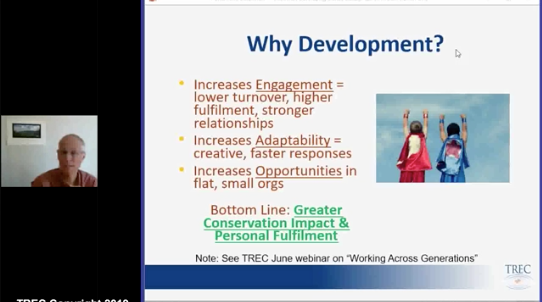
Mentoring and Developing Your Staff
Creating a high-functioning and highly engaged teams takes more than well intentioned leaders and staff working hard together. It requires an on-going commitment to learning and development from leadership and throughout the organization. In this session, learn skills and strategies to mentor and develop key staff and how to instill this practice in your organization as a whole.
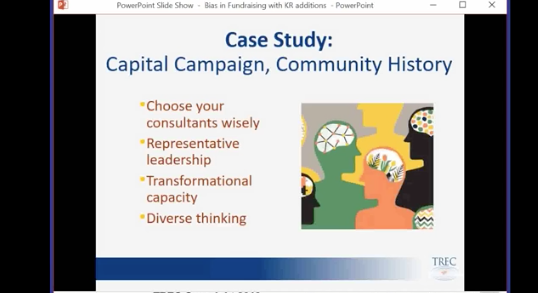
Addressing Bias in Fundraising–Developing an Inclusive Individual Giving Program
This webinar will review the data/context (the what), the impact/outcome (so what), and next steps/resources (now what) to recognize and reduce bias in your fundraising practices.