
What does it take to move beyond consultation and build conservation partnerships with Indigenous Peoples that are grounded in trust, respect, and fundamental human rights? This webinar introduces the principles of Free, Prior, and Informed Consent (FPIC) as articulated in the United Nations Declaration on the Rights of Indigenous Peoples (UNDRIP) and explores how rights-based approaches can reshape conservation practice. Join us to learn how organizations can move beyond simply seeking input toward building meaningful, accountable partnerships that recognize Indigenous Peoples as rights holders, knowledge holders, and leaders in conservation.
Presenter Biography
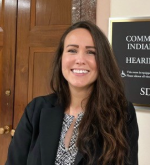
Rochelle Morgan-Verdin (United Houma Nation): An international Indigenous rights advocate and founder of In Our Ways Strategy Group, Rochelle brings over 20 years of experience in human rights law, environmental justice, and global negotiations to support Tribal Nations, multilateral organizations, and community-led initiatives in advancing rights-based solutions and participatory governance.
Further Reading
- International Indian Treaty Council’s 2024 Survey
- United Nations Declaration on the Rights of Indigenous Peoples (UNDRIP)
- Consultation vs. Consent Chart
- NARF’s Tribal Guide to Implementing FPIC in the Context of Conservation and Development
- U.S. Fish and Wildlife Service Statement and Guidelines on Free, Prior, Informed Consent (FPIC)
Video Clips
- “Green colonialism:” How Nature Conservation Harms Indigenous Peoples (0-6:25 min)
- A short clip from Former UN Special Rapporteur on Indigenous Peoples, Victoria Tauli Corpuz, speaking about fortress conservation (0-2:13 min)