
This past year, the story of philanthropy across North America has been one of resilience, momentum, and a growing heartbeat for the planet. In the United States, charitable giving swelled to nearly $593 billion, breaking records and reminding us that generosity thrives even in uncertain times. Canada, too, saw an encouraging rise in donation levels, with average gifts climbing higher than ever before.
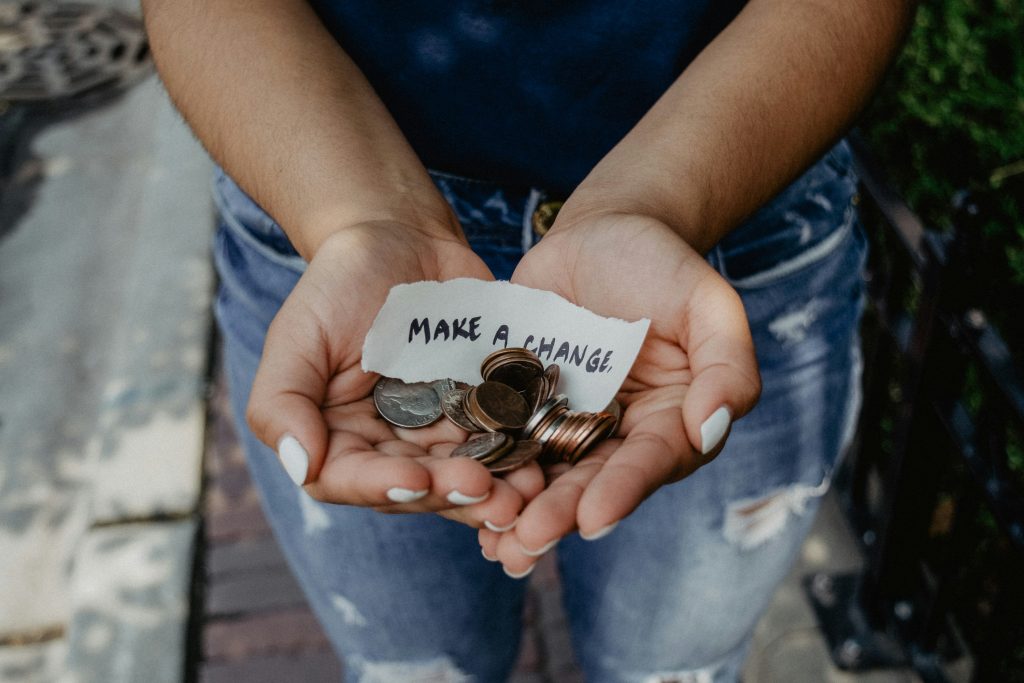
But the most striking development isn’t just the size of the checks—it’s where the money is flowing. Environmental and conservation causes are experiencing a surge of support. From billion-dollar pledges to Indigenous-led land stewardship, from grassroots giving circles to recurring online donations, people are signaling that protecting land, water, and climate is central to our collective future.
This wave of generosity brings both promise and challenge. The opportunity is enormous: donors are leaning in, funders are experimenting with new models, and the urgency of climate change has never been clearer. Yet, cracks are visible too: fewer Canadians are giving overall, U.S. federal funding shifts are squeezing nonprofits, and competition with urgent social causes is intensifying. For environmental nonprofits, the question is not just how to ride this wave, but how to sustain it, deepen it, and turn it into lasting change.
Let’s dig into the current numbers a little more before looking ahead. In the United States, total charitable giving increased 6.3% in 2024 over the previous year. Much of this was fueled by individual donors, whose contributions grew by more than 8%, and corporate giving, which rose by over 9%. According to Giving USA, environmental organizations experienced an especially encouraging boost, with contributions increasing by 7.2% to total $11.83 billion. This growth reflects both rising public concern about climate change and biodiversity loss, and an expanding sense of urgency among donors of all sizes—from individuals making $50 online gifts to philanthropists pledging billions toward global climate solutions.
TREC & CLF Partnership
TREC is delighted to announce a deepening collaboration with the Conservation Lands Foundation (CLF), strengthening our shared commitment to the environment, the people who dedicate their lives to protecting it, and the future we are building together.
This new partnership with CLF builds on years of collaboration and will enhance our collective impact by expanding peer networking, support, and information sharing across TREC, CLF, and their Friends Grassroots Network. This partnership expands what’s possible for all three organizations: CLF and the Friends Grassroots Network will gain access to TREC’s resources and programming, while TREC will be enriched – as we are when we work with all of you – by CLF’s wisdom and ongoing work to protect and grow America’s National Conservation Lands.
Wilburforce and TREC’s partnership, and TREC’s support for Wilburforce grantees, remains unchanged and as strong as ever. We look forward to our continued partnerships in building a world where our relationships to each other, all beings, and our environment are healing, thriving, and well. If you have any questions, please don’t hesitate to connect with us at TREC at any time.
In Canada, the story is more complex. The CanadaHelps Giving Report 2025 highlights a 7% increase in donations in 2024 and a 10% rise in the average size of gifts. Yet the total number of Canadians making charitable contributions continues to decline. This means a shrinking donor base is carrying more of the load, and nonprofits must work harder to sustain engagement and diversify their support. Environmental causes in Canada, particularly those focused on conservation, climate resilience, and Indigenous-led stewardship, are experiencing both new opportunities and new challenges. Public interest in climate action and reconciliation is driving support, but competition for donors remains fierce. The clear takeaway is that Canadian nonprofits need to double down on storytelling, donor stewardship, and strategies that both expand their donor base and deepen commitment from existing supporters.
Looking forward, philanthropy in 2025 is projected to remain strong across North America. Analysts expect foundation giving to continue to rise, driven by robust endowment performance. Individual giving may see modest gains, particularly if proposed policy changes—such as a universal charitable deduction in the U.S.—move forward. In Canada, nonprofits are keeping a close eye on economic conditions, as inflation and housing affordability challenges continue to put pressure on household budgets. Still, donors remain motivated by urgent causes, and the environment is front and center in the minds of many.

In exciting news, we’re witnessing collective and community-based giving models expanding rapidly, with giving circles projected to double in number over the next five years. Trust-based philanthropy is also growing, with more funders emphasizing unrestricted, multi-year commitments. These changes are a long time coming and bode well for environmental nonprofits, whose work often requires long timelines, flexibility, and resilience in the face of changing conditions.
The final months of the year remain the most important fundraising window for most nonprofits, with many groups raising 30–40% of their annual revenue in the last quarter. For environmental organizations, this is an especially opportune time to connect with donors who are both motivated by urgency and seeking meaningful impact.
Tips for a successful year-end fundraising season
- Year-end appeals should do more than ask for support—they should tell a story that brings the work to life. Share vivid accounts of landscapes restored, species protected, or communities empowered through environmental stewardship. Connect the donor directly to the outcome: “Your gift planted 200 trees in a fire-damaged forest” or “Your support helped Indigenous youth restore salmon habitat.” These specific, tangible stories resonate far more than abstract descriptions of programs.
- Use matching campaigns to create momentum. Matching gifts not only inspire urgency but can also serve as a bridge between individual donors and major donors. For example, a major donor might commit $50,000 as a match for all year-end donations. Publicizing this opportunity throughout appeals, social media, and email campaigns can double participation rates.
- Prioritize monthly giving. Recurring donors are the backbone of sustainable revenue. Recurring gifts catalyze your lower tier giving and provide a way for folks to increase their impact for your cause. Encourage year-end donors to convert their one-time contribution into a monthly gift. Frame it as a way to provide steady, ongoing support for your work: “For the cost of a cup of coffee each week, you can help us protect migratory bird habitat year-round.” Provide easy sign-up options and emphasize the convenience and long-term impact of monthly support.
- Invest in major donor cultivation during this season. Beyond sending appeals, personally reach out to your top donors with impact updates, invitations to site visits (even virtual tours), or year-end conversations about long-term commitments. Enlist a few people from your board to use their position as volunteer leaders and mission champions to increase your capacity for high-touch cultivation and stewardship in the wind up to year-end asks. Highlight opportunities for unrestricted or multi-year gifts, which align well with the trust-based philanthropy movement. These deeper commitments allow your organization to weather uncertainties in federal funding or economic shifts while staying focused on mission-critical work.
- Explore innovative giving vehicles. In the U.S., crypto philanthropy has emerged as a growing niche, while in both Canada and the U.S., giving circles and donor collaboratives are engaging younger generations of donors who want to be part of community decision-making. Nonprofits can tap into these models by framing their work as collective action—because protecting the planet truly is a shared responsibility.
While the terrain we’re traversing may be rocky and the sense of uncertainty pervasive, know that the overall philanthropic landscape is resilient and growing, particularly for environmental causes. While federal funding cuts and donor participation declines remain challenges, environmental nonprofits are well positioned to capture donor energy and build strong, diversified funding models. With compelling storytelling, creative use of matches, growth in monthly donors, and careful cultivation of major gifts, organizations can move into 2026 not just financially surviving—but thriving. The opportunity before us is profound: to harness philanthropy in service of a healthier, more sustainable planet.
In solidarity,
– Ellie

Creating Powerful Asks and Appeals
Whether mid-year or end of year, electronic, verbal, or written, creating appeals and making asks for your organization is part art and part science. Luckily, there are tried and true tips and practices that will support the success of your fund development efforts. This toolkit will walk you through the steps of writing powerful appeals, what to include on your remit envelope, how to make an ask, and how to bring an equity lens to your development work. There is even a sample appeal letter to get you started.
Board Donor Stewardship Flow of Communications
Major gift work is a highly personalized form of fundraising that can be difficult to systematize. The success of your major gifts effort is dependent on authentic relationships with your donors, and it’s difficult to script the authentic conversations that make up a real relationships. The following flow chart and corresponding scripts are a great place to start and serve as a good road map for calling and emailing major donors to thank them, keep them engaged, and learn more about their interest in your work.
The Hidden Gold of Monthly Giving
Take your monthly giving program to the next level with Ellie Stanley and special guest, Harvey McKinnon. Growing a monthly giving program is one of the most valuable ways your organization can invest its precious fundraising resources.
During this webinar, we’ll talk about how and why to sustain a laser focus on monthly giving, stewarding these special donors, and how to grow your major gifts program with monthly giving. This webinar is a great session that executive directors and all development staff will find useful and beneficial.
Achieving Major Wins with Major Gifts and Major Donors
Major Gifts are likely to be some of the largest gifts you receive outside of grants. So what is a Major Gift? And how does major donor cultivation and solicitation differ from smaller individual gifts? Join us as we answer these questions and outline the 5-steps you can take to developing a successful major gifts program.
Visit Our New Website
Through our new website, we’re honored to offer more support to take the bold, grounded, actions that will empower your work in the months and years to come.
A streamlined job board and referral board for easier access to opportunities and connections. TREC’s newsletters will also be posted on our website blog, and most blog posts are open for your discussion!
Explore Our Learning Guides
Tailored to your needs, offering everything from foundational insights to complex solutions in our core offering areas.
Explore individual guides in TREC’s Core Offering Areas:

Ellie Stanley
Director of Organizational Development & Senior Consultant

Outside of work, Ellie finds joy in the small things that make life rich: tending her flower garden, knitting cozy sweaters, and exploring waterfalls, secret swimming holes, and mountain trails. She carries a commitment to joy, peace, compassionate honesty, and deep relationship—values that infuse both her consulting and her daily life.
Favorite food, favorite hobby, hometown, special holiday?
Ellie’s favorite food is watermelon, and her favorite hobby is gardening!
Place that brings you joy or meaning?
Spending time in the woods, making art, and hanging out with my adult kids brings me joy and purpose.
Top book, article, art album recommendation?
A favorite book is Old Path White Cloud by Thich Nhat Hanh